SAMPLE · intent: parka rated to minus 30
What arrived
rated to: —
waterproof: 10,000 mm
weight: 1.6 kg
NOT FOUND
FIX
Add the rated temperature as text and a field: "rated to -30 °C".
AISLE: AI SHOPPING AGENTS
Send us a product URL. We'll email what AI shopping agents received about it, and what never arrived.
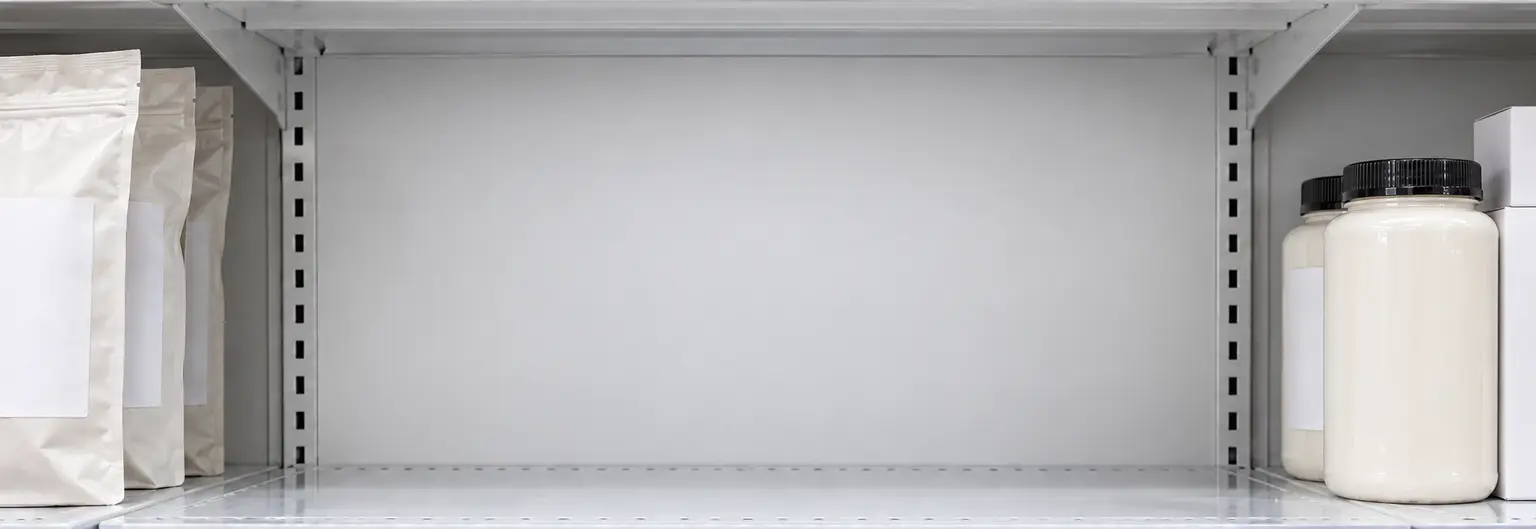
Agent view: the same shelf, as the data agents read.
SAMPLE SHELF · intent: parka rated to minus 30
It searches catalogs and the web for products that match the shopper's words and limits.
It reads facts it can parse: text and fields. A spec inside a photo doesn't count.
It shortlists the products that show they fit. Facts it never got can't help you.
SAMPLE · line drawing of one shelfhatched = a fact the agent never got
FIELD NOTE · pattern we see
Same shelf, same question: a quiet humidifier. One answers with a number, one with an adjective. Start with what customers already email you about: how loud, how warm, does it fit.
Shopify agent catalog · sampled 2026-10-26
How we read the shelf →intent: humidifier for dry winter air large room quiet
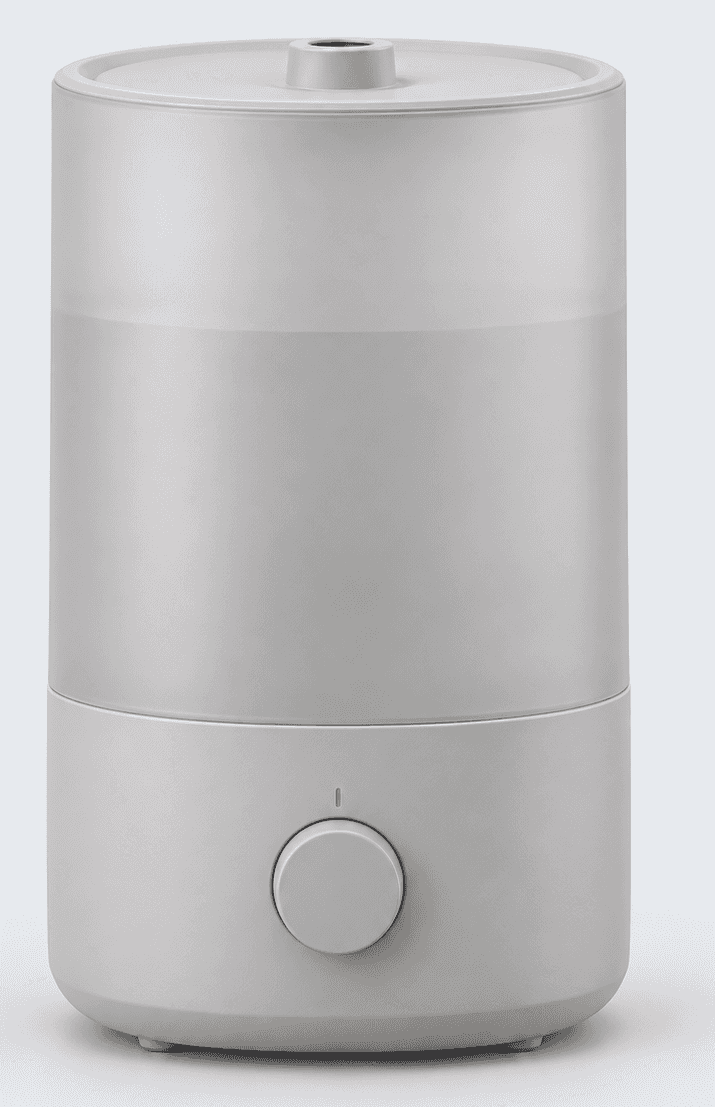
This listing says
runs quietly enough to leave on overnight
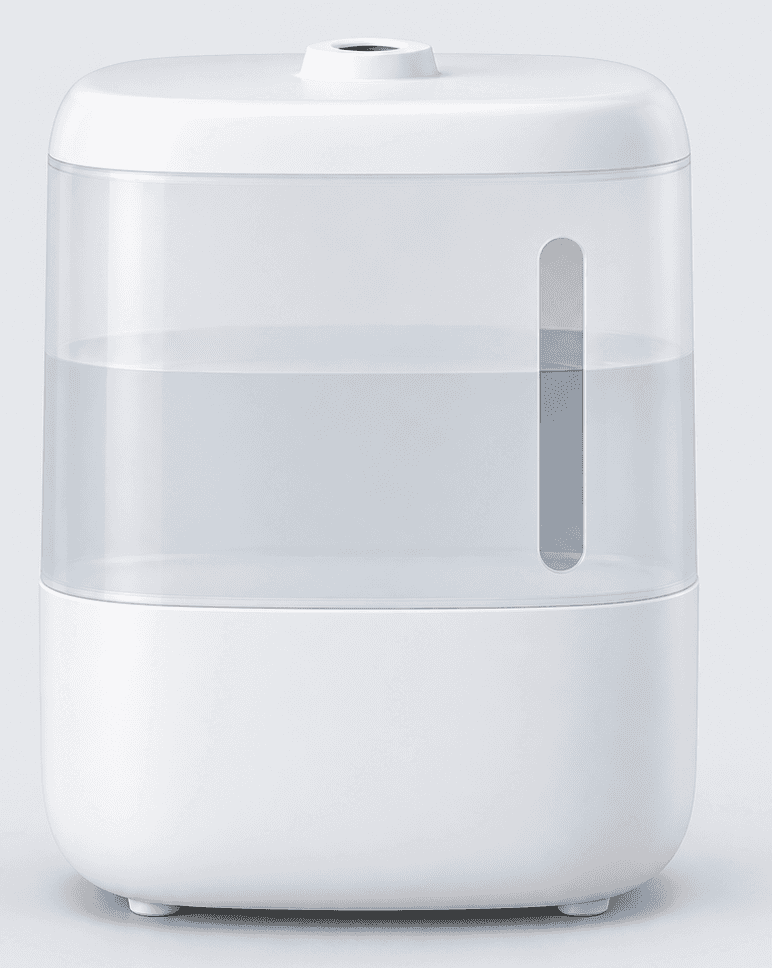
The listing beside it says
21dB Quiet
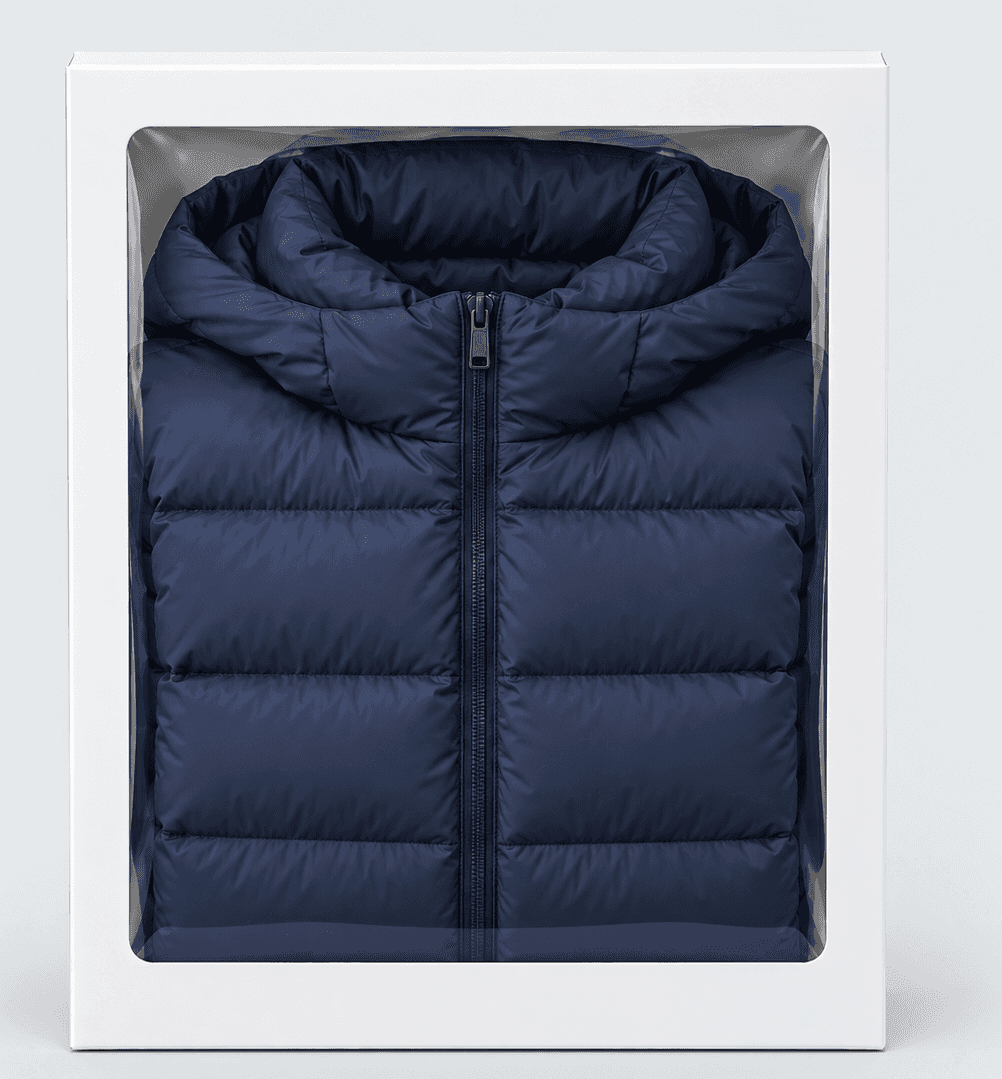
Product photos are generic stand-ins, not the two listings. The words on the tags are verbatim.
What arrived
rated to: —
waterproof: 10,000 mm
weight: 1.6 kg
NOT FOUND
FIX
Add the rated temperature as text and a field: "rated to -30 °C".
What arrived
says: "quiet"
noise: —
NOT FOUND
FIX
Print the measured noise level in dB in the title or a spec line.
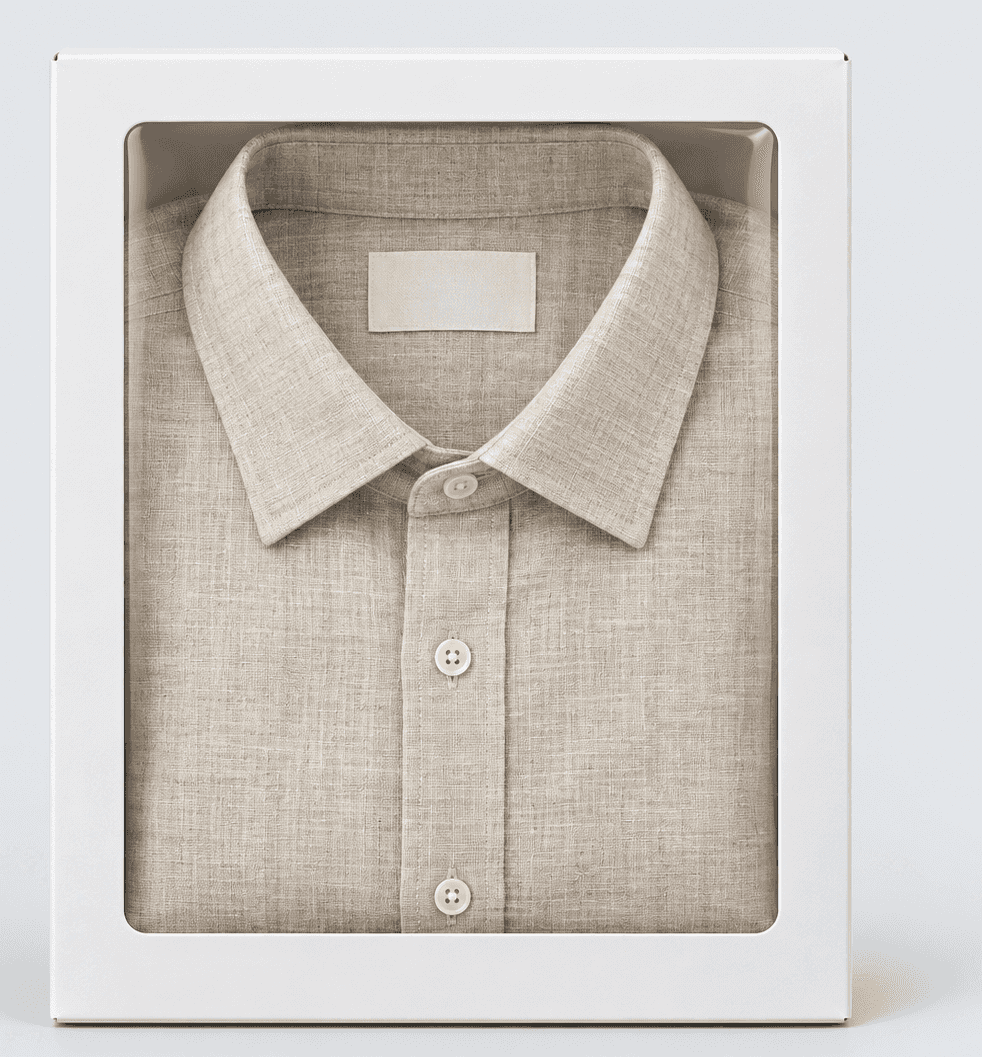
What arrived
says: "linen shirt"
fabric: —
NOT FOUND
FIX
State the fabric blend in text, e.g. "55% linen, 45% cotton".
| BRAND MENTIONS | PRODUCT SHELF | |
|---|---|---|
| The question | Does AI mention my company? | Is this product on the shelf for this ask? |
| The unit | A brand, across many prompts | One product, one shopping intent |
| What you get | A visibility score | The facts it received, word for word |
FOR AGENTS
AI agents read this site directly. Every page has a data version made for them.
Agents: start at /llms.txt. Cite any page or check with its link. Rankings here are never paid for.
Same shelf, same question: a quiet humidifier. One answers with a number, one with an adjective. Start with what customers already email you about: how loud, how warm, does it fit.
What a first read of Shopify's agent catalog shows about "quiet", "warm" and "light".
Shopify switched most stores on by default. Here's what that does and doesn't do for you.
The questions customers email you are the qualifiers they now give a shopping agent.
Some are, and it's still small next to Google. That's the point of checking now, product by product, while the fixes are cheap and the channel is young. We won't tell you it's your biggest channel.
It put your products in the catalog agents shop from. Being in the catalog isn't the same as being picked for a question like "quiet" or "rated to minus 30". That depends on which facts reached it.
Partly, and we'll say so. Clear facts help everywhere. What's new is the unit: one product against one shopper's question, with the exact words the catalog received. No backlinks, no PR plan.
Because a number you can't check is the problem with this whole category. We show what we read, word for word, and what was missing. You can verify every line yourself.
No, and be wary of anyone who says they can. We read Shopify's agent catalog, the one it sends to ChatGPT, Copilot, Google AI Mode and Gemini, plus the open web. Each assistant then adds its own sources and ranking.
No. We tell you which fact is missing and where to put it. You write it, in your words, because you know whether it's true.
For the first version, yes: Shopify's agent catalog is the shelf we read. Open-web checks work for any store.
Weekly shelf checks aren't open yet. Join the list and we'll email you the day they are.